|
As I live with a new puppy again, there are a few things I find myself very grateful for, and if you have or planning to add a new puppy to your household, you may find them helpful as well. Teddy / Snuggle Puppy
I love going hiking with my dogs, but there are some things that make that experience more enjoyable for us both. Teaching Loose Leash WalkingI find hiking so much more enjoyable when my dogs aren't pulling me down the trail! Although it can be frustrating when you just want to go on a hike, I highly recommend taking the time to train your dog to walk nicely on a loose leash. These two things aren't mutually exclusive, I taught Tristan how to casually walk on a loose leash on trails, however, I had to go out knowing that I'd be stopping and turning if he pulled so I wouldn't cover as much ground, or if I stuck with a predetermined route, it would take us longer to complete it. Consistency is the key here - if your dog gets to explore by dragging you along behind them, that's what they'll do in the future.
Here is how I taught Tristan not to drag me down the trail: I usually work with people when they are wanting their dog to learn how to do something, either a specific skill or a different behavioural response. To teach our dogs what to do, we commonly use food or treats. Once our dogs understand the skill, and can perform it in a variety of environments around different distractions, we can start to reduce the use of treats. Here are some things to consider.
Can your dog perform the desired skill consistently, to the level you want? If not, your dog hasn't fully learned the new skill, and their performance is unlikely to improve if you stop rewarding their efforts. First, we need to get the behaviour reliably. Can your dog perform the desired skill consistently, in the face of distractions? Ideally we teach the skill in a low distraction setting, and then once the dog can respond consistently, introduce distractions strategically so that the dog can succeed in the face of the distraction, growing their confidence and ability to respond even when other things are going on. Some distractions to consider:
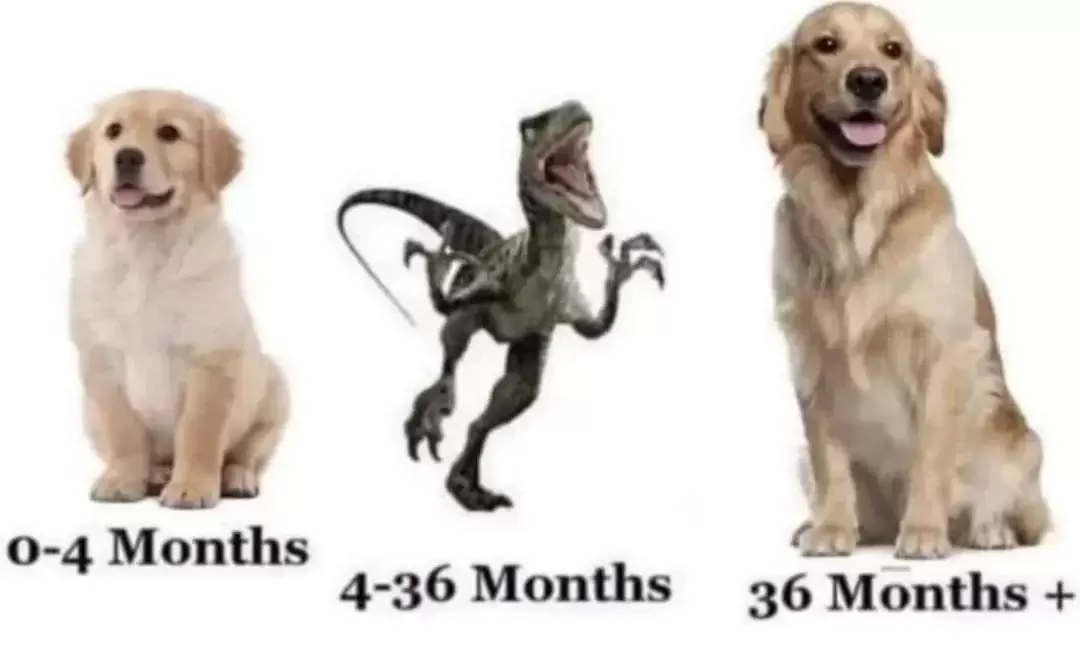
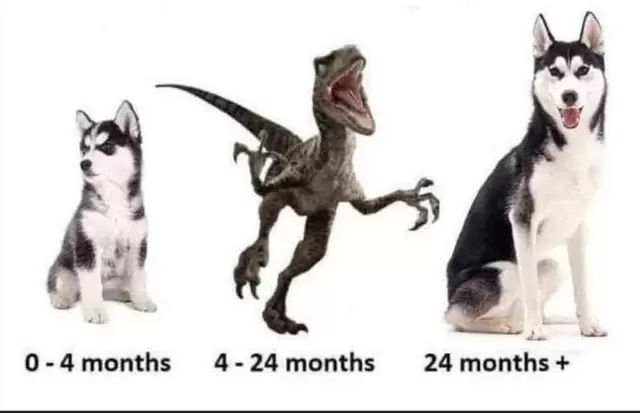
When considering getting a puppy, people often think about housetraining, chewing, and puppy biting. But what is much less commonly talked about is the adolescent stage of development, when your teenage dog stops coming when called, starts running off or barking at things they never cared about before. You may have seen these memes, they exist in a variety of dog breeds.
And they exist, because there is a relatable truth inherent in them, even if somewhat exaggerated.
Adolescent dogs often
Why? Because adolescence is the time that they are experiencing sexual maturity, but haven't yet reached social maturity. Their brains aren't fully mature yet, and are undergoing a tremendous amount of neuronal growth and pruning as they experiment with new behaviours and investigate their world. Now that winter is here, training outside gets more complicated if you want to reward your dog. Stick the mitts in the treats? Pull the glove off, deliver the treat then stick your hand back in? If neither option appeals to you, consider using a lickable treat instead! 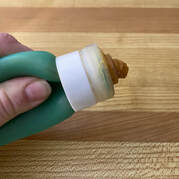 Squeeze tubes are great for this. Simply find whatever soft food you'd like to use (i.e. canned dog food, plain pumpkin, peanut butter, liver pate, etc.), get it to the right consistency (not too chunky, not too runny - this may require mixing it with something else), put it into the tube and dispense as needed!
Great for using in the winter, as all you need to do is remove the lid and squeeze a bit for your dog to lick, so they are mitten friendly. |


Online Learning Class Schedule Puppy Classes Manners Classes Sport Classes Scent Classes Agility Classes Private Lessons
Copyright 2020 Positively Obedient Canines